
Home / Gallbladder surgery
Gallbladder Surgery
Gallstone disease and gallbladder surgery
Gallstones can cause severe repeated pain and may restrict day-to-day activities, particularly limiting what patients can eat or drink.
Surgical removal of the gallbladder
For many patients with symptomatic or complicated gallstones, gallbladder removal is the most effective long-term treatment.
The gallbladder stores some of the bile produced by the liver, which helps to digest fatty food. Gallstones form when some bile components are present in higher or lower concentrations than normal. It is not entirely clear why some people are more prone to gallstones than others.
A small number of patients experience looser stools after removal of the gallbladder, but the vast majority of patients manage very well without the gallbladder. The liver will still produce bile regularly to digest fat in the diet.
Symptoms and complications
When gallbladder surgery may be recommended
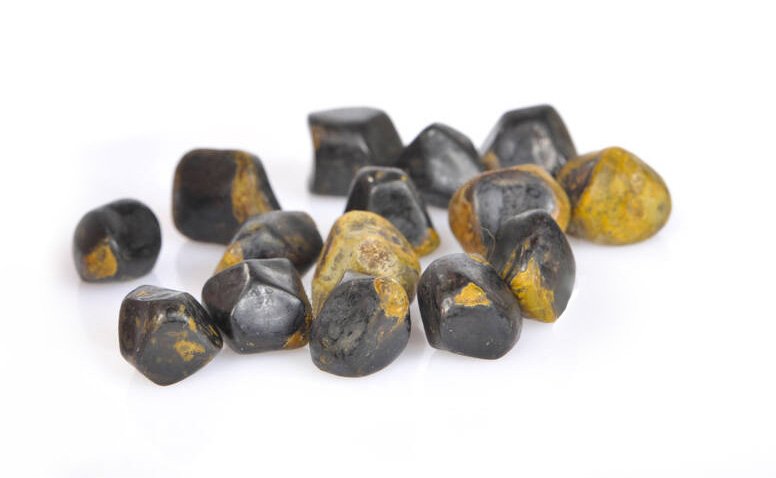
Gallstones can result in severe and repeated pain in some people. Gallstones can also result in inflammation of the gallbladder and infrequently may erode into nearby organs such as the bowel.
Gallstones can occasionally move from the gallbladder into the bile duct causing jaundice or pancreatitis, both of which can be serious and require urgent assessment.
If you have suffered with pain or complications resulting from gallstones, then it may be recommended that you have your gallbladder removed.
Procedure
What gallbladder removal involves
Surgery to remove the gallbladder is usually performed as a keyhole procedure, called laparoscopic cholecystectomy, under a general anaesthetic.
- Most patients are discharged home on the same day.
- Many patients return to light activities within a few days, but recovery varies.
- Open surgery may be recommended if keyhole surgery cannot be performed safely.
- Your consultant will discuss benefits, risks and recovery in more detail at your appointment.
Patients who undergo open surgery tend to stay in hospital for a few days after the procedure and it generally takes a few weeks longer to recover than after keyhole surgery.
Questions patients ask
Gallbladder surgery FAQs
What does the gallbladder do?
The gallbladder stores bile produced by the liver. Bile helps digest fat in the diet.
Is gallbladder surgery safe?
Gallbladder removal is a commonly performed operation and is usually carried out safely as keyhole surgery. As with any operation, risks depend on your general health, the severity of gallbladder inflammation, previous surgery and anaesthetic risk. Your surgeon will discuss the benefits and risks of surgery in your individual case.
What are the possible complications of gallbladder surgery?
Most patients recover well, but complications can occur. These may include bleeding, wound infection, bruising, pain, bile leak, retained stones, injury to nearby structures such as the bile duct or bowel, blood clots, or complications related to the anaesthetic. Serious complications are uncommon, but it is important that you understand the risks before deciding on surgery.
When is gallbladder surgery recommended?
Surgery may be recommended when gallstones cause pain, inflammation or complications such as jaundice or pancreatitis.
What happens if gallstones are left untreated?
Some gallstones cause no symptoms, but symptomatic stones can cause repeated pain, inflammation or more serious complications.
Is keyhole surgery always possible?
Gallbladder removal is usually keyhole surgery, but open surgery may be safer in some situations. This can be decided before or during the operation.
How long is recovery after gallbladder surgery?
Many patients return to light activities within a few days after keyhole surgery. Recovery is longer after open surgery and varies between patients.
When can I return to work after gallbladder surgery?
Return to work depends on your recovery and the type of work you do. Many patients with desk-based work return within one to two weeks after uncomplicated keyhole surgery. People with physically demanding jobs may need longer. Your surgeon will advise based on your operation and recovery.
When can I drive after gallbladder surgery?
You should not drive until you can move comfortably, perform an emergency stop, wear a seatbelt safely and are no longer taking medication that could impair driving. This is often after several days to a couple of weeks, depending on recovery. You should also check your car insurance policy if unsure.
Can I eat normally after gallbladder removal?
Many patients return to a normal diet after gallbladder removal. Some people find that fatty or rich foods cause loose stools or indigestion, particularly in the early recovery period. It can help to reintroduce foods gradually and adjust your diet according to symptoms.
Can I live normally without a gallbladder?
Yes. The gallbladder stores bile, but it is not essential. After gallbladder removal, bile continues to flow from the liver into the bowel. Most patients live normally without a gallbladder after recovery.
Are there alternatives to surgery?
Techniques to dissolve or break down gallstones have been described, but they have not generally been shown to be clinically effective for symptomatic gallstones.
Concerned about gallstones or biliary pain?
A consultation can help confirm the diagnosis and discuss whether surgery is the right option for you.