What symptoms can a hernia cause?
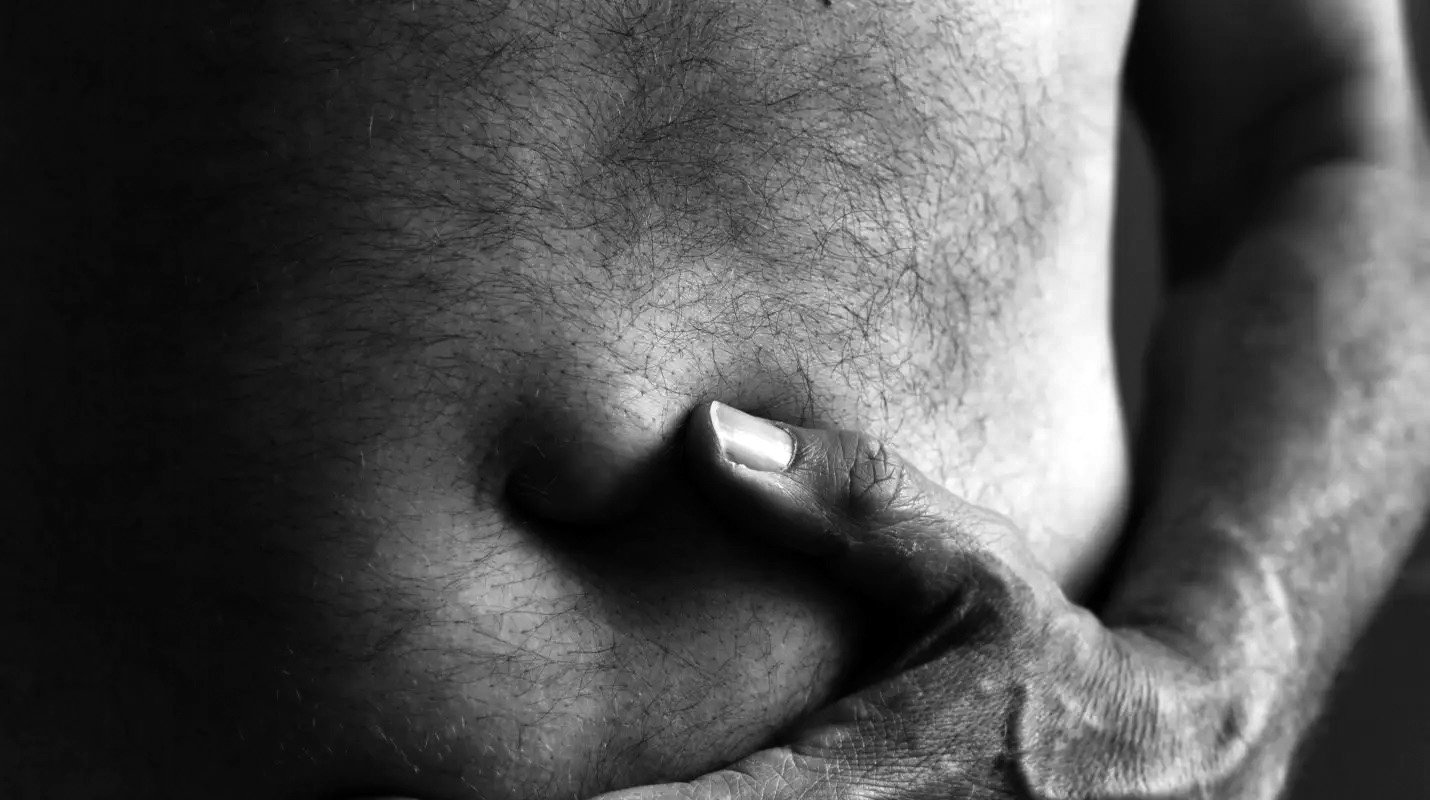
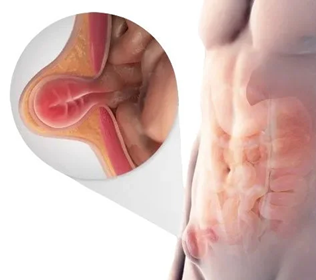
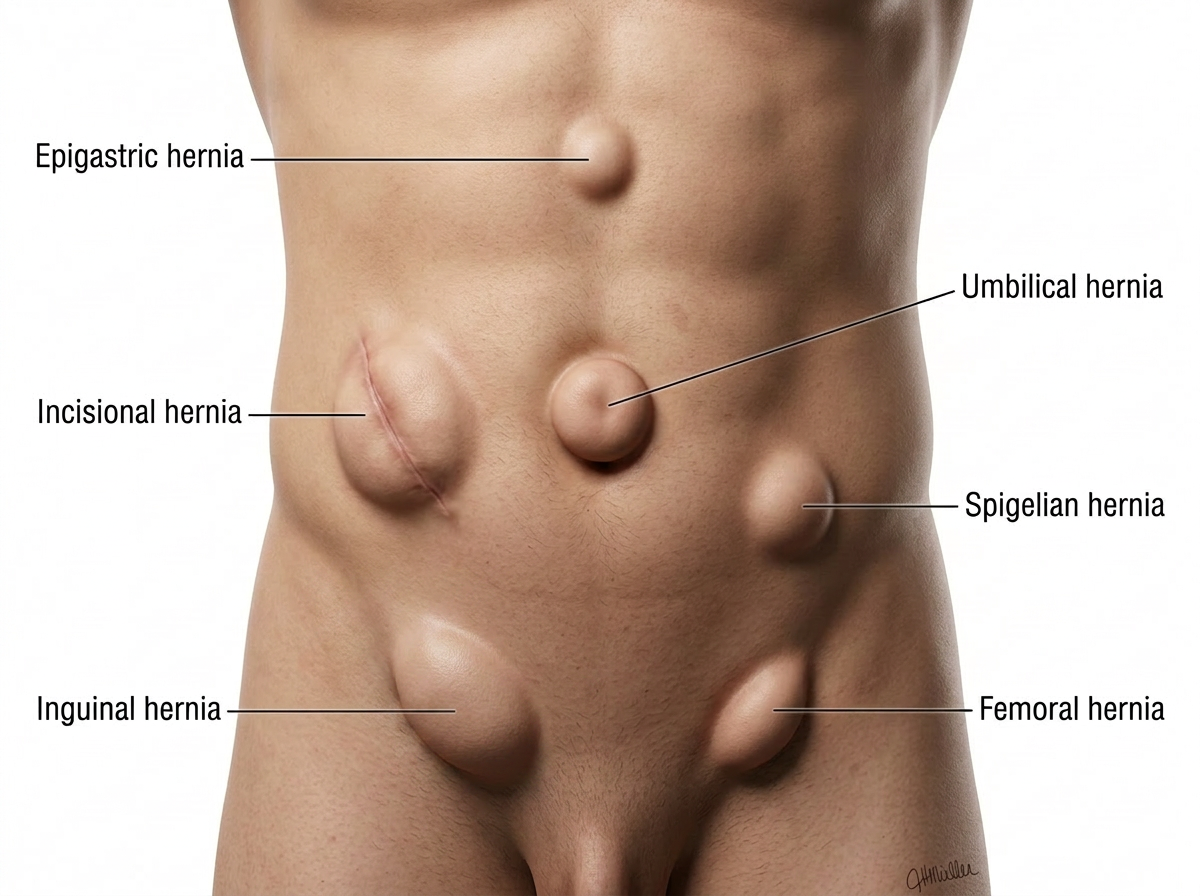
A hernia can cause a lump or swelling, discomfort, aching, heaviness or pain with standing, bending, lifting or straining.
Do all hernias need surgery?
Not always. Small hernias that are not causing symptoms may be monitored, but some small hernias are repaired if they are prone to complications.
Can a hernia go away by itself?
No. A hernia does not resolve without surgery, although symptoms and the need for repair vary between patients.
Is hernia surgery safe?
Hernia surgery is a commonly performed operation and is generally safe for suitable patients. As with any operation, the safest approach depends on the type of hernia, your general health, previous surgery, medications and anaesthetic risk. These factors will be reviewed during your consultation so that the benefits and risks of surgery can be discussed in your individual case.
What are the possible complications of hernia surgery?
Most patients recover well, but complications can occur. These may include bleeding, bruising, wound infection, swelling, fluid collection, pain, numbness, recurrence of the hernia, problems related to the mesh if mesh is used, or complications related to the anaesthetic. Serious complications are uncommon, but your surgeon will discuss the risks that are most relevant to your type of hernia and planned repair.
What is the difference between open and keyhole hernia repair?
Keyhole hernia repair is usually performed under general anaesthetic using several small incisions. It may offer benefits such as less early wound discomfort and a quicker early return to some activities for selected patients, particularly where both groins need repair or where a previous open groin repair has been performed.
Open hernia repair uses an incision close to the hernia and remains a very effective approach. It may be preferred for some large, complex, recurrent or incisional hernias, after certain previous operations, or when keyhole surgery is not the best option. The safest and most appropriate approach depends on the type of hernia, previous surgery, medical history and your priorities.
Is mesh used in hernia repair?
Mesh is commonly used for groin and larger abdominal hernias to reduce tension and recurrence risk. Some small hernias may be repaired with sutures alone.
How long does recovery take?
Recovery depends on the type of hernia, the operation performed and your general health. Many groin, umbilical and smaller hernia repairs are performed as day-case procedures, or with an overnight stay if needed. Larger or more complex abdominal wall hernia repairs may require a longer hospital stay and a more gradual recovery.
Bruising, swelling and soreness are common in the first few days. Most patients can return to light activity within a few days, but lifting, strenuous exercise and return to work should be guided by the type of repair and the advice given after surgery.
When can I return to work after hernia surgery?
Return to work depends on the type of hernia, the operation performed and the physical demands of your job. Some patients with desk-based work may be able to return within one to two weeks, while those with heavy manual work may need longer. Your surgeon will give guidance based on your operation and recovery.
When can I drive after hernia surgery?
You should not drive until you can move comfortably, perform an emergency stop, wear a seatbelt safely and are no longer taking medication that could impair driving. Many patients wait at least several days to a couple of weeks, depending on the operation and recovery. You should also check your car insurance policy if unsure.
When can I exercise or lift after hernia surgery?
Gentle walking is usually encouraged early after surgery. Heavier lifting, strenuous exercise and abdominal workouts should be avoided until your surgeon advises that it is safe. The timing depends on the type and size of hernia repaired, whether the repair was open or keyhole, and your individual recovery.
When should I seek urgent medical help?
Seek urgent advice if a hernia becomes very painful, cannot be pushed back in, is associated with vomiting, abdominal swelling or symptoms of bowel obstruction.